Summit, Geauga, Portage, and Medina counties
Aeration system service: the machine the county keeps a file on
An aeration system does not keep problems to itself. The unit hums in the yard, the alarm panel waits by the breaker box, and in Summit, Geauga, Portage, and Medina counties the health department keeps its own record of whether the machine is doing its job. Mechanical treatment systems are common across Summit County and the snowbelt, and they sit on the shortest permit and inspection cycles the county programs run.
This page covers why aeration units carry more rules than a conventional tank, what routine service involves, and what each county expects. If your unit is alarming right now, skip ahead and get a free quote.
What makes it an aeration system
A conventional septic tank treats passively; an aeration unit adds a motor that forces air into the wastewater so treatment bacteria work harder and the effluent leaves cleaner. That mechanical step is why these systems can go where a plain tank and leach field cannot, and it is also why they need scheduled attention. A motor that stops is not an inconvenience, it is the treatment process stopping, which is exactly what the county programs built under Ohio Administrative Code rule 3701-29-19 exist to catch.
Two permit layers instead of one
Every household sewage treatment system in the four counties holds a county operation permit under rule 3701-29-09, renewing on a cycle the board of health sets, capped at 10 years. The full mechanics are on the operation permit page.
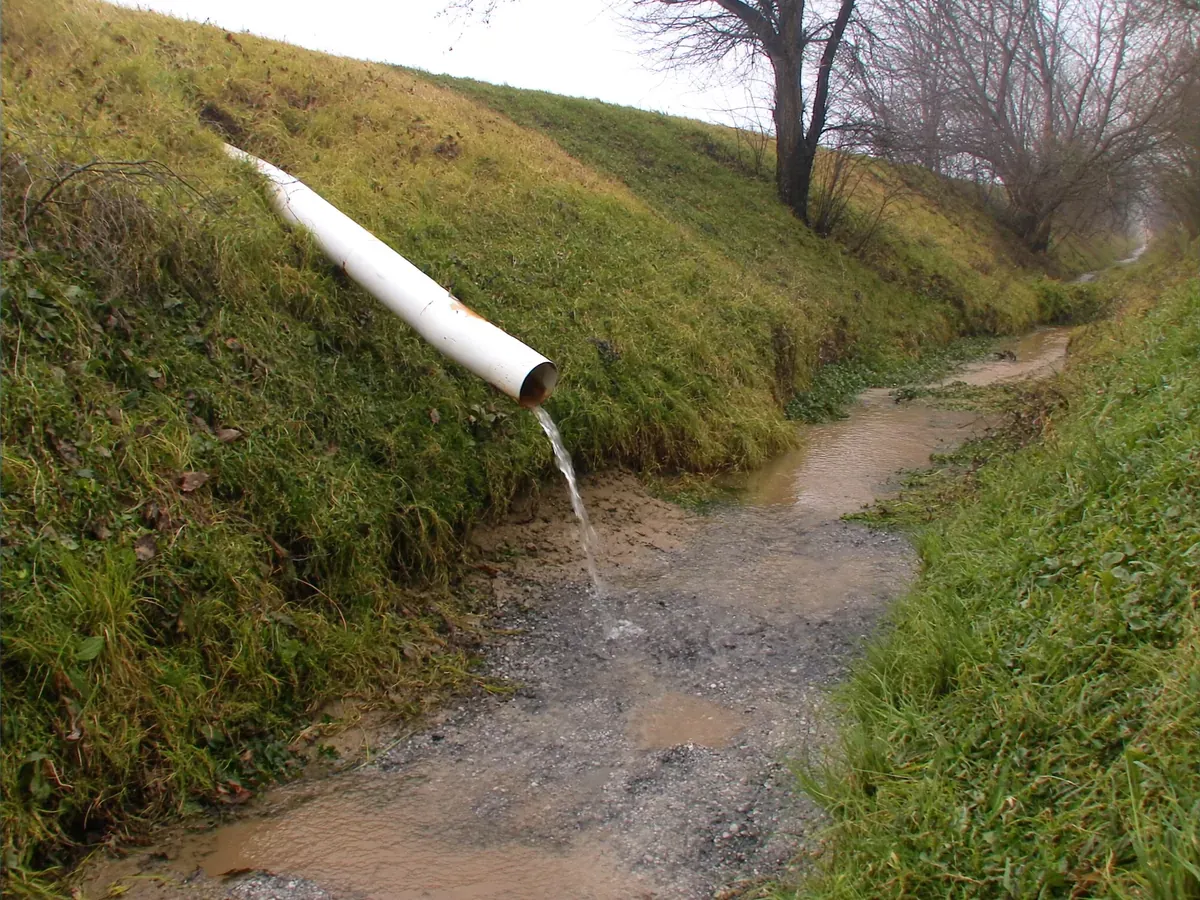
Many aeration systems add a second layer, because they discharge treated water off the lot. Discharging systems need coverage under Ohio EPA NPDES General Permit OHK000004. Federal law caps NPDES general permits at five year terms, and the current one runs January 1, 2022 through December 31, 2026. The renewal is already drafted: Ohio EPA issued draft general permit OHK000005 on September 24, 2026, held a comment window closing November 19, 2026, and states that renewal needs no notice of intent and carries no fee, because existing permits renew on issuance and homeowners are notified afterward. Nobody with coverage has to apply for anything to stay covered past December.
The county layer is what compresses the schedule. Geauga Public Health's 2026 O and M program presentation enrolled the drip, peat, and aeration systems first and renews them annually, while the conventional systems going in now get five-year permits. Its 2026 fee schedule prices a one-year operation permit at $30 and a five-year at $100, both depending on system type, with an NPDES inspection at $75 plus lab fees and sampling billed separately for the systems that need it. The shape is the point: a discharging aeration unit deals with its county every year, not once a decade.
The short cycle, stamped
A conventional system might renew its county permit twice a decade. A discharging aeration system can face an annual operation permit, annual sampling, and a five year Ohio EPA general permit, all at once. Service is how the paperwork stays boring.
What a routine service visit involves
The specifics depend on the make of the unit and on what your county permit requires, but a competent visit generally works through the same list: the aerator motor and air delivery, the alarm circuit and floats, diffusers and filters, sludge accumulation and whether the tank is due for a pump-out, and any disinfection components the design includes. On an NPDES system, sampling happens on the schedule the permit sets.
Then the part owners forget: the paperwork. Under rule 3701-29-19 the county's O and M program tracks service dates and results and collects proof of service from registered providers, so the visit only counts for compliance if it lands in the county's file. Confirm your provider reports it, and keep your own copy.
When service turns into repair
A failed or alarming unit is one of the most frequent repair triggers in this part of Ohio. Sometimes the fix is contained: a motor swap, a float, a control board. Sometimes the alarm is the first visible sign of a bigger problem downstream, and the honest answer starts with a full inspection rather than a parts order. What corrective work typically looks like, from small components to a new leach field, is on the septic repair page.
County notes for aeration owners
Summit County
Summit County Public Health writes each operation permit per system, setting the permit length, inspection frequency, and required maintenance for that specific unit, and it reports approximately 33,000 county households on individual systems (SCPH, sewage treatment systems). Read your permit, not a neighbor's. City notes: Akron and Stow.
Geauga County
Geauga Public Health requires service from Geauga County Registered Sewage Contractors, and the O and M permit transfers with the property at sale. Noncompliance has a price tag: GPH's 2026 environmental health fee schedule prices an operation and maintenance non-compliance inspection at $300, which is what a system with no pumping, service, or inspection on record earns itself. County seat notes: Chardon.
Portage and Medina counties
The Portage County Health District charges $250 for an O and M permit and sets the renewal cycle on the permit itself, with discharging systems generally on the short end. The Medina County Health Department monitors O and M compliance and reports it to the Ohio Department of Health. City pages: Kent, Ravenna, and Medina.
Get the unit serviced before the county asks
Whether the trigger is an alarm, a sampling deadline, or a renewal letter, tell us the county and the system type. The quote is free, and it comes from an independent local septic contractor who works on aeration units. The full regulatory picture is in the Ohio septic operation permit guide, and the referral fee never raises your price: how we make money.
Get a free quoteQuestions homeowners ask
- What is an aeration septic system?
- A household sewage treatment system that treats wastewater by forcing air into it, using a motor driven aerator to keep treatment bacteria working harder than a conventional tank alone. The mechanical parts are both the point and the weakness: motors, diffusers, and alarms need regular attention. These units are common in Summit County and the snowbelt counties, where the county operation and maintenance permit programs track them closely.
- Does my aeration system need an NPDES permit?
- Only if it discharges treated water off your property. Ohio EPA covers discharging household sewage treatment systems under NPDES General Permit OHK000004, which federal law caps at five year terms; the current one runs through December 31, 2026. Ohio EPA issued draft general permit OHK000005 on September 24, 2026 to renew it, and says the renewal needs no notice of intent and no fee, so existing coverage renews when the new permit is issued and homeowners are notified by mail. Your county health department can tell you from its file whether your system discharges and what coverage it needs.
- How often does an aeration system need service?
- Your county operation permit sets the schedule, and aeration and NPDES systems generally sit on the shortest cycles. Summit County Public Health writes the permit length, inspection frequency, and required maintenance for each system individually. Geauga Public Health enrolled the drip, peat, and aeration systems first and renews them annually, per its 2026 program presentation, and bills annual sampling separately for the systems that need it. Check your permit before assuming a multi year gap is fine.
- What does it mean when the aeration alarm goes off?
- The alarm is the unit reporting a fault, commonly a stopped aerator motor, a high water level, or a power interruption. It does not always mean sewage is about to back up, but a unit that is not aerating is not treating, and a failed unit is a frequent repair trigger. Silence the sound if the panel allows it, then get a service visit scheduled promptly.
- Can I service my own aeration unit?
- Counties want the required service documented by people who meet their rules. Under Ohio Administrative Code rule 3701-29-19, county operation and maintenance programs collect proof of service from registered service providers, and Geauga Public Health requires Geauga County Registered Sewage Contractors specifically. Simple checks, like listening for the motor, are fair game for owners; the documented service your permit requires generally is not.
What it costs, and what happens after you send it
- What does septic work cost in the Western Reserve?
- FindASeptic lists $80 to $1,400 for the Akron market, the span of prices its listed companies report, driven by tank size and access (a directory aggregate rather than a contractor price list). HomeGuide (a national cost guide, not an Ohio figure) puts $3,000 to $15,000 for drain field replacement, with $5,000 to $12,000 for a new drain field alone, and $1,000 to $5,000 for repair and rejuvenation work. Contractors in this market quote by phone rather than publishing price lists, so every figure above comes from a third party rather than from a local quote. Treat them as the shape of the number. Soil conditions and the design the health district approves move a real quote more than anything else, and an engineered system on tight soil sits well above a conventional one. The Ohio operation permit guide explains where the county fees sit on top of all of that.
- How fast will someone get back to me?
- Your request goes to an independent local septic contractor, usually within about an hour during the day. That contractor then contacts you to look at the system and price the work on their own schedule.
- What work is covered?
- Septic installation, septic repair, septic pumping, septic inspection, aeration service, and operation permit inspection. See every service.
Only the contractor standing over your tank can price your actual system.
Updated