Medina, Summit, Portage, and Geauga counties
Septic installation: the permits come before the shovel
Few home projects in Medina, Summit, Portage, or Geauga County involve the county health department as early, or as often, as a septic installation. Before any digging starts, the county evaluates the site, reviews the design, and issues an installation permit. And once the final inspection passes, the relationship does not end: the new system goes straight onto the county's operation and maintenance schedule, where it stays for as long as it serves the house.
This page walks through how a new or replacement system gets approved and built in Northeast Ohio, what the counties publish about permit fees, and what the construction itself tends to cost. If a failed system has already forced the decision, get a free quote and start the county conversation in parallel.
The rulebook behind every install
Household sewage treatment systems in Ohio are governed statewide by Ohio Administrative Code Chapter 3701-29, in effect since January 1, 2015 under Ohio Revised Code Chapter 3718. The Ohio Department of Health writes the rules; your county board of health applies them, and it may adopt stricter local supplements. Rule 3701-29-09 is the one that matters here, because it covers installation, alteration, and operation permits in a single rule. The install is step one of a long file, not the whole file.
From soil test to final inspection
The exact sequence varies by county, so treat this as the common skeleton and your county health department as the authority on the details.
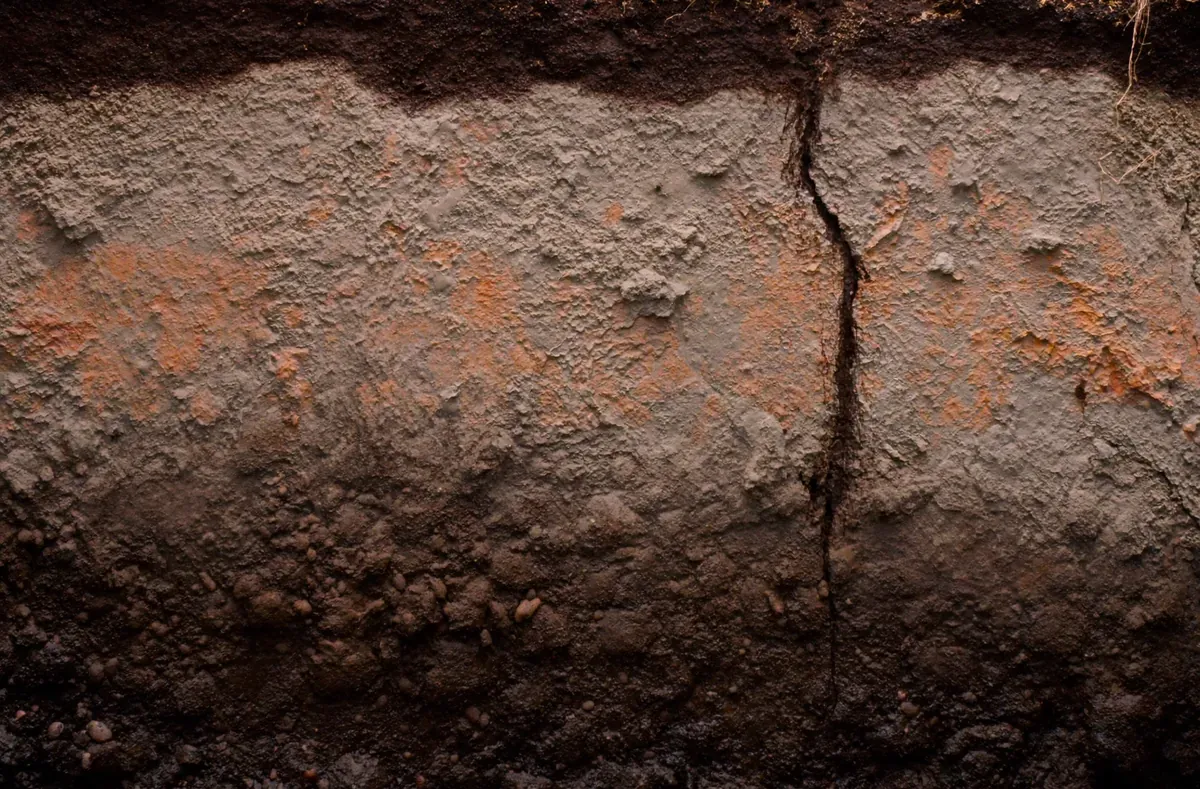
- Site and soil evaluation. The county looks at soil depth, texture, seasonal water, and setbacks to decide what designs the lot can support. This step, more than any other, sets the budget.
- Design and sizing. The system is sized to the home and matched to the soil findings: a conventional tank and leach field where conditions allow, an engineered alternative where they do not.
- Installation permit. The county issues the permit before work starts. Where fees are published, they are linked in the next section.
- Construction. An installer who meets the county's requirements builds the system. Counties publish lists of registered installers, and the choice among qualified providers is yours.
- Final inspection. The county checks the finished work before the system goes into service.
- Operation permit. The recurring half of rule 3701-29-09 takes over, and the county's operation and maintenance permit cycle begins.
The part owners miss
The installation permit is the only septic permit you pull once. The operation permit that follows it renews for the life of the system, on a cycle your county board of health sets, capped at 10 years under Ohio Administrative Code rule 3701-29-09.
What the counties publish about permit fees
Portage County is the clearest publisher. The Portage County Health District's household sewage page lists a new or replacement installation permit at $660 including the state fee, regardless of home size, $910 bought with an operation and maintenance permit, and an alteration permit at $347, or $597 with an O and M permit. The site review that has to come first carries its own fees, $234 for the application and $117 for the system design review, on the district's 2026 application form in its wastewater forms.
Medina, Summit, and Geauga counties handle permitting through their health departments but do not publish flat installation fee figures on their main program pages, so confirm the current amount with the office before budgeting. Either way, the permit fee is a rounding error next to the construction cost. Treat it as the price of a system the county will stand behind in its records, which matters at resale.
What the construction costs
A full new or replacement system is a five figure project in most cases, and the soil evaluation is what moves the number: an engineered design on tight soil costs materially more than a conventional field on forgiving ground. For national reference points, the cost guide HomeGuide puts drain field replacement at $3,000 to $15,000 and a new drain field installation at $5,000 to $12,000. Those are national guide figures, not Northeast Ohio quotes, so use them for scale and get local bids for the real number.
Two ways to keep the number down honestly: confirm the failure diagnosis first, since some failed inspections lead to repair work rather than replacement, and collect more than one bid from installers on your county's registered list.
County specifics for a new or replacement system
Medina County
The Medina County Health Department permits and inspects all new and replacement household sewage treatment systems in the county, then carries the finished system into the state-mandated O and M program it reports to the Ohio Department of Health. Local notes are on our Medina page.
Summit County
Summit County Public Health runs new and replacement permitting countywide, coordinating parcel address assignment with the cities, Stow among them, as part of the application. SCPH reports that approximately 33,000 Summit County households are served by individual systems (SCPH, sewage treatment systems), so the department has deep experience with every design type. See Akron and Stow.
Portage County
The Portage County Health District in Ravenna publishes its fees, listed above, and files permits from its East Main Street office. City notes live on Kent and Ravenna.
Geauga County
Geauga Public Health states that most county homes run on private systems, requires work from Geauga County Registered Sewage Contractors, and transfers the O and M permit to the new owner at sale. A new install in the snowbelt is therefore also a document the next buyer inherits. See Chardon.
Replacement is not always the answer
A wet spot in the yard or a failed O and M visit does not automatically mean a new system. Start with a septic inspection that pins down what actually failed, and read the Ohio septic operation permit guide if the county letter is what started all this. When replacement is the honest call, tell us the county and the situation. The quote from an independent local septic contractor is free. The referral fee never raises your price: how we make money.
Get a free quoteQuestions homeowners ask
- Do I need a permit to replace a septic system in Ohio?
- Yes. Under Ohio Administrative Code Chapter 3701-29, new and replacement household sewage treatment systems are permitted by the county board of health. In Medina, Summit, Portage, and Geauga counties the health department reviews the site, issues the installation permit, and inspects the finished work before the system goes into service. Skipping the permit risks enforcement and complicates any future sale.
- How much does a new septic system cost in Northeast Ohio?
- Plan on a five figure project for a full system. HomeGuide, a national cost guide, lists $5,000 to $12,000 for a new drain field alone and $3,000 to $15,000 for a replacement, and those are national figures, not local quotes. County permit fees sit on top: Portage County publishes a $660 installation permit for a new or replacement system, state fee included.
- Can I pick my own septic installer?
- Yes, the choice is yours. County health departments publish lists of registered installers, and any professional who meets the requirements your county sets can do the work. Geauga Public Health goes further and requires work from Geauga County Registered Sewage Contractors. The quote is free either way, and the hiring decision always stays with you.
- What is a site and soil evaluation?
- It is the step that decides what kind of system your lot can support. Soil depth, texture, and seasonal water levels determine whether a conventional leach field will work or whether the design needs a mound, drip distribution, or another engineered approach. Your county health department sets the evaluation requirements, and the results drive both the design and the price.
- Does a new system end my county obligations?
- No. The day the final inspection passes, the operation and maintenance cycle begins. Under Ohio Administrative Code rule 3701-29-09 every system owner holds an operation permit that expires on a schedule the county board of health sets, capped at 10 years. In Geauga County that permit even transfers to the next owner when the property sells.
What happens after you send it
- How fast will someone get back to me?
- Your request goes to an independent local septic contractor, usually within about an hour during the day. That contractor then contacts you to look at the system and price the work on their own schedule.
Updated