Medina, Summit, Portage, and Geauga counties
Septic pumping: the cheapest line in the county's file
Every big septic bill in Northeast Ohio is downstream of one habit: pumping the tank before solids reach the leach field. In Medina, Summit, Portage, and Geauga counties, pumping is also paperwork, because the county operation and maintenance programs collect proof of service and keep the receipt in your system's file. A pump-out protects the field, and the record of it protects the permit.
Below: what pumping costs around Akron and Medina according to the sources that actually publish numbers, how the county programs treat the service, and how to tell when pumping is no longer the fix. Need it done soon? Get a free quote.
Why the county cares about your pumping receipt
Under Ohio Administrative Code rule 3701-29-19, each county board of health runs an operation and maintenance management program: it tracks inspection and service dates and results, collects proof of service from registered service providers, and educates owners. The rulebook it sits in, OAC Chapter 3701-29, has governed household sewage treatment systems statewide since January 1, 2015, with the Ohio Department of Health writing the rules and the county health departments enforcing them.
In practice that means a pump-out is not just yard maintenance, it is an entry in the county record attached to your operation permit. In Geauga County the provider even has to be a Geauga County Registered Sewage Contractor, per Geauga Public Health. Hire whoever you like among the qualified providers, then make sure the visit gets reported.
The record is the point
Under rule 3701-29-19, your county tracks service dates and collects proof of service. A pump-out that never reaches the county's file does nothing for your permit standing, however clean the tank is.
What pumping costs around Akron and Medina
Local contractors in this market quote by phone rather than publishing price lists, so the honest published figures come from third parties, and they should be labeled as such. For the Akron area, the directory FindASeptic reports customer prices of $80 to $1,400 depending on tank size and access; that is a directory aggregate, not a contractor's own price sheet. For Medina, the cost estimator Homeyou puts septic tank cleaning in a typical range of $221 to $886, based on its own project data; treat it as estimator output, not local quotes.
The spread is mostly three variables: tank size, how deep the access lids sit, and how far the truck can park from them. Uncovering buried lids adds labor, which is one argument for risers. Whatever figure you plan around, get a real quote for your tank, and weigh it against what deferral costs: a saturated leach field is a five figure problem, as the installation page lays out.
How often is often enough
No single interval fits every house, and this page will not invent one. The drivers are tank size, the number of people in the home, garbage disposal use, and what your county operation permit actually requires, which varies by county and by system. Summit County Public Health, for example, writes required maintenance into each system's operation permit individually. Two reliable ways to know: read your permit, or have a provider open the tank and measure the sludge and scum layers, which turns the guess into a number.
Stretching the interval honestly
Habits move the pumping schedule more than any product does. A garbage disposal grinds food into exactly the kind of solids the tank exists to hold, so heavy disposal use shortens the interval. Spreading laundry across the week instead of running it in one surge gives the tank time to settle between loads. And nothing sold in a bottle empties a tank: solids either leave in a pump truck or migrate toward the leach field, and only one of those is cheap.
Timing the service around a sale is its own tactic. The Medina County Health Department, for one, does not require a septic inspection before a home sale, though buyers' lenders often do, so a documented recent pump-out with an inspection is an easy point in a seller's favor.
What a good pumping visit includes
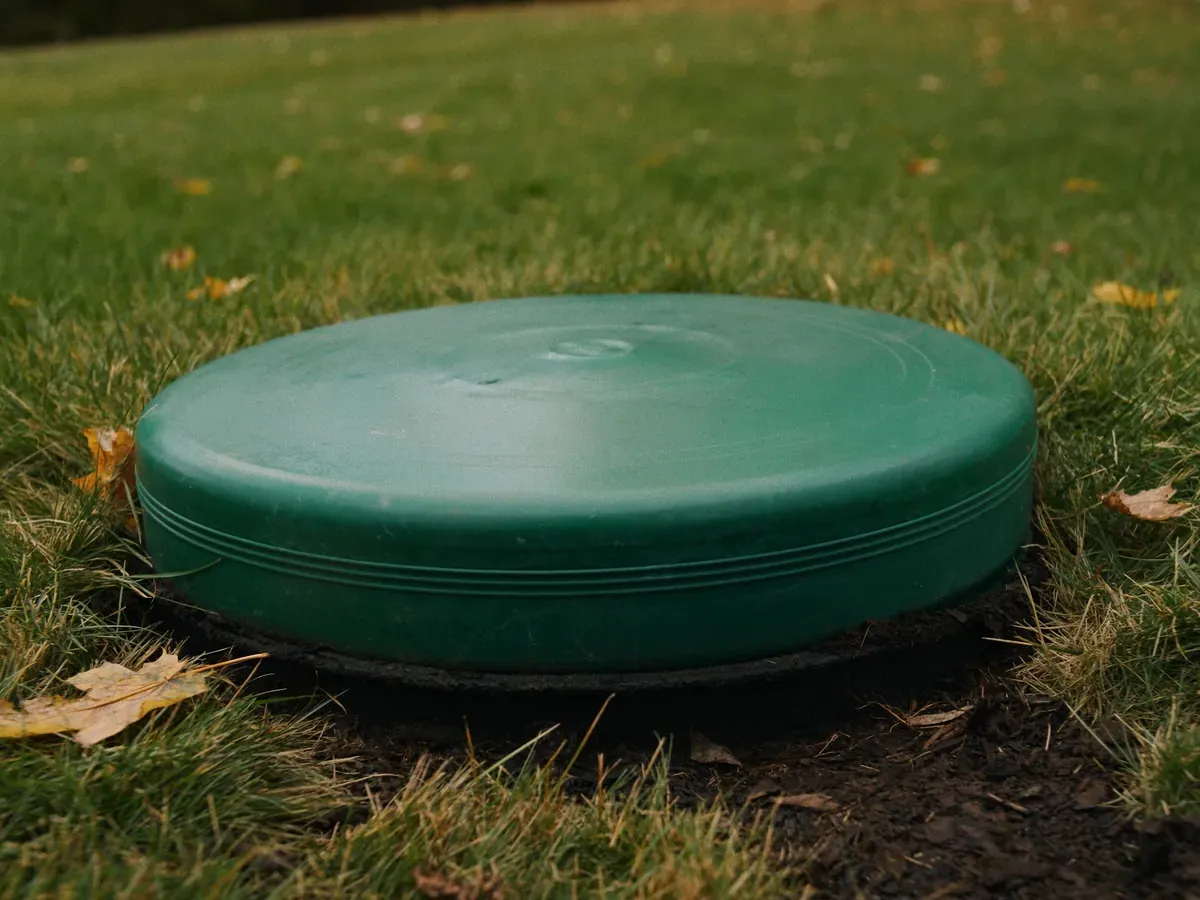
More than a hose. A thorough provider locates and opens the tank, pumps both compartments where the design has two, and looks at what the open tank reveals: baffle condition, liquid levels, signs of backflow from the field. Those observations are cheap while the lid is off and expensive to discover later, which is why pumping pairs naturally with a septic inspection when a county visit or a home sale is coming. Aeration units need pump-outs too, alongside their mechanical service; the aeration service page covers that side.
When the visit turns up trouble a pump-out cannot fix, slow drains that return in days, water standing over the field, a tank that refills fast, the next step is diagnostic, not another truck. The septic repair page covers what corrective work typically involves.
Get on the schedule, and into the file
Tell us your county, city (Akron, Medina, Kent, or anywhere in the four county area), and roughly when the tank was last pumped. The quote is free, and it comes from an independent local septic contractor. The referral fee comes from the contractor and never raises your price: how we make money. New to the permit side of this? Start with the Ohio septic operation permit guide.
Get a free quoteQuestions homeowners ask
- How much does septic pumping cost in the Akron area?
- No Akron area contractor publishes a price list, so the citable figure is a directory aggregate: FindASeptic reports customer prices of $80 to $1,400 across the Akron market, driven by tank size and access. For Medina, the Homeyou cost estimator puts tank cleaning in a typical range of $221 to $886. Treat both as planning figures, and get a real quote for your tank.
- How often should my tank be pumped?
- There is no single Ohio interval. The honest answer depends on tank size, household size, and what your county operation permit requires, and the permit is the schedule that counts, since your county O and M program tracks service under Ohio Administrative Code rule 3701-29-19. A provider can measure the sludge and scum layers and tell you where your tank actually stands.
- Does the county need proof that I pumped my tank?
- In all four counties the operation and maintenance program keeps a file on your system, and Ohio Administrative Code rule 3701-29-19 has the county collect proof of service from registered service providers. Geauga Public Health goes further: work must come from Geauga County Registered Sewage Contractors. Keep your receipt, and confirm the provider reports the service to the county.
- Can pumping fix a failing septic system?
- Pumping buys time, it does not rebuild a drain field. If the tank refills quickly, water surfaces over the field, or drains back up soon after a pump-out, the problem is downstream of the tank and pumping alone will not cure it. That situation calls for an inspection and likely repair work, and it is worth involving your county health department early.
- Do aeration systems need pumping too?
- Yes. An aeration unit treats wastewater mechanically, but solids still accumulate and the tank still needs periodic pump-outs alongside its motor and alarm service. Because many aeration systems discharge and carry Ohio EPA NPDES coverage, they tend to sit on the shortest county cycles, so pumping is often bundled into the same visit as the required service.
What happens after you send it
- How fast will someone get back to me?
- Your request goes to an independent local septic contractor, usually within about an hour during the day. That contractor then contacts you to look at the system and price the work on their own schedule.
Updated